Héctor Armienta: The Man Behind Zorro
by Dr. Carol Anderson
Born and raised in Los Angeles, Mexican American composer and librettist Héctor Armienta is one of the most influential Latinx voices working in classical music today. A Californian through and through, Armienta holds degrees in composition from California Institute of the Arts in Valencia and the San Francisco Conservatory of Music. While classically-trained, Armienta incorporates elements of folk and traditional Hispanic musical styles in his works. His musical style brings traditional classical music, Italianate vocal writing with soaring melodies, flamenco rhythms and vocal stylings, corridos or folk ballads from the farming communities of central California and other aspects of his heritage into a colorful portrait of his community.
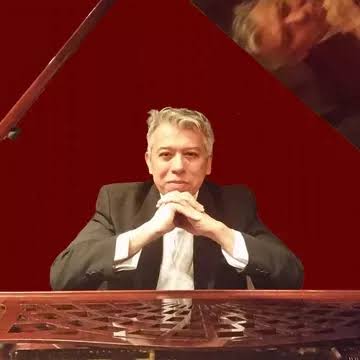
Armienta’s most notable compositions are opera or other theatrical works and explore the many facets of the Mexican and Mexican-American cultural experience. Armienta typically writes his own libretti, many of which feature a blend of English and Spanish. Award-winning New Mexican author Rudolfo Anaya inspired two of his operas. Bless Me, Ultima, a story of one person’s journey to reconcile Catholicism with shamanistic spirituality, premiered in 2018 at Opera Southwest in Albuquerque, New Mexico.
Armienta also created a family holiday opera based on Anaya’s children’s book, The Farolitos of Christmas, which tells the story behind the beloved northern New Mexico tradition of displaying candles outdoors protected in paper bags full of sand.
Another children’s opera, Coyotes and Rabbits, celebrates the joy of reading through Mexican folklore and musical styles and is often presented by opera companies as a touring opera for families or in-school performances.
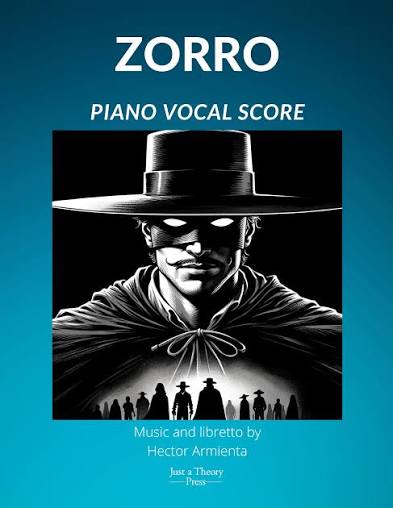
Zorro is Armienta’s most far-reaching work to date, premiering to great acclaim in a version with piano and guitar in Fort Worth, Texas in January 2022, followed by an orchestrated version with chorus at Opera Southwest in Albuquerque in October of that same year.

Subsequent productions have been mounted at Pacific Opera Project, Opera San José, Opera Santa Barbara, and Arizona Opera prior to Utah Opera’s presentation. With its bilingual libretto and appealing music idiom, Armienta has created, in the words of one reviewer, “a grand, sweeping score worthy of the swashbuckling vigilante.”
In addition to his own creative work, Héctor Armienta is a tireless advocate for Mexican-American creators and performers nationwide. He is founder and director of Ópera Cultura in San José, an organization dedicated to supporting and amplifying Latinx voices as creators and performers of Latin music. Ópera Cultura performances offer audiences the chance to experience “Chicanisma,” a deep pride in Mexican-American culture. As well as presenting works by Armienta, Ópera Cultura performances have featured compositions by Latinx composers such as Nicolás Benavides, Carla Lucero, and Grammy-award-winning composer Gabriela Lena Frank. Armienta also represents Latinx voices as a sitting member of the board of Opera AMERICA.