
Before Zorro: Alta California
by Dr. Carol Anderson
In 1811, when the action of Zorro begins, Los Ángeles was a small pueblo in Alta California, a province of New Spain. The Kingdom of New Spain was established after the Spanish conquest of the Aztecs in 1521. Its vast territories encompassed much of Western and Southwestern North America, including California, as well as Florida, Louisiana, Central America, and parts of South America. Its capital, Mexico City, was built upon the site of Tenochtitlan, once the glorious heart of the Aztec Empire. Alta California was established as a province in 1804, comprising what later became the U.S. states of California, Utah, and Nevada, as well as portions of modern-day Arizona, Wyoming, and Colorado.
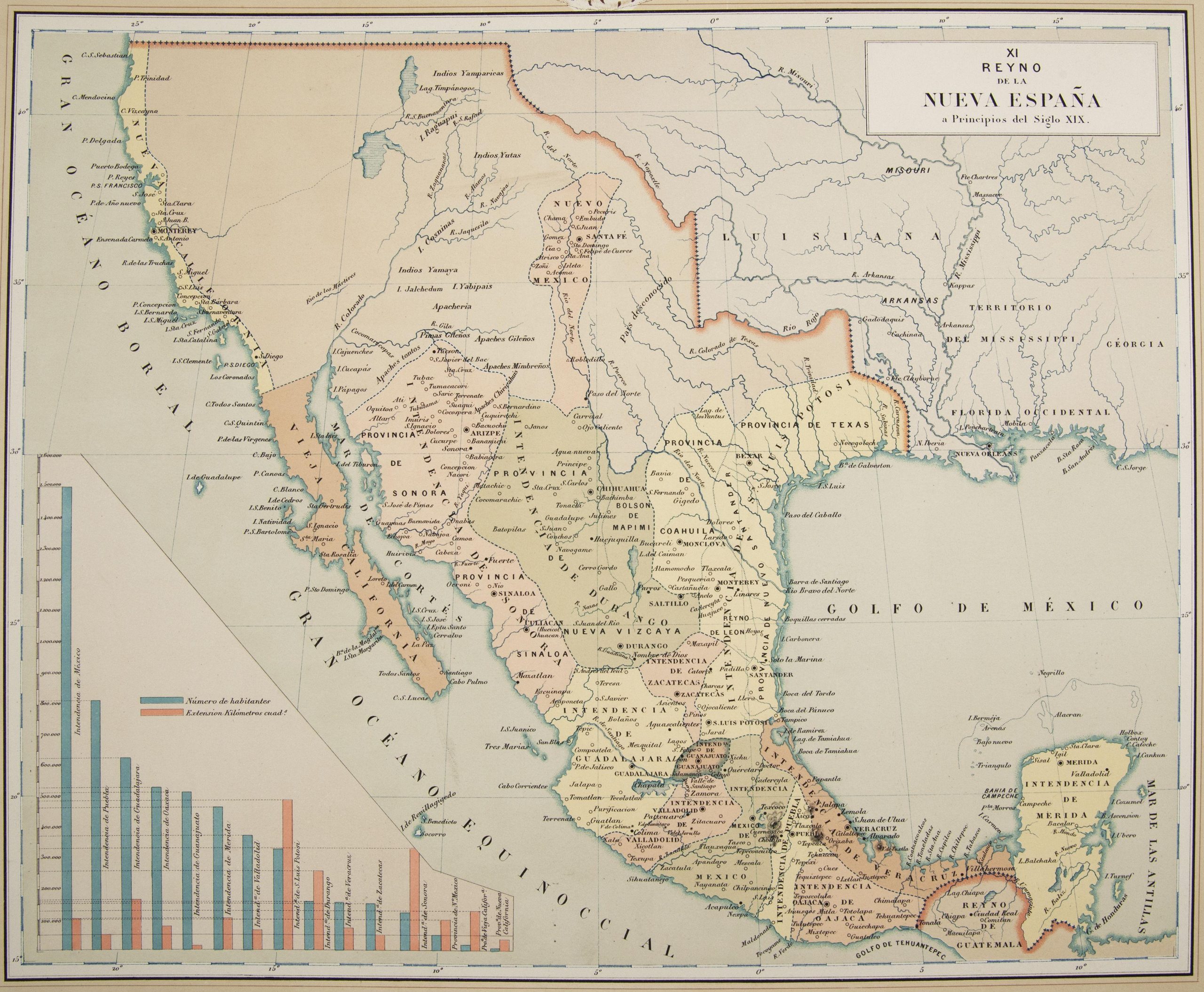
The California coast was first surveyed by Spanish explorers in 1524, but no concerted colonization efforts took place until the 1760s. In 1769, explorer Gaspard de Portolà, accompanied by the Franciscan friars Junípero Serra and Juan Crespí, reached the area which is now central Los Angeles. Crespí named the river they observed El Río de Nuestra Señora la Reina de los Ángeles de Porciúncula (the River of Our Lady Queen of the Angels of Porciuncula). Subsequent Spanish colonizers invaded indigenous lands and settlements, overlaying their European traditions, religion, and customs. As might be expected, this process led to several uprisings of the indigenous people against their oppressors.
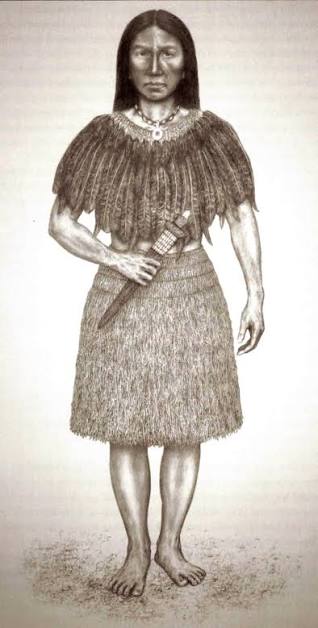
The rebellion of San Gabriel in 1785 was led by the medicine woman Toypurina; in the opera the secondary character of Zorro’s substitute grandmother bears the name of this rebel leader.
The colonizers of New Spain established three types of settlements; The presidios were military installations, missions were footholds of the Catholic church, and pueblos were civilian communities. 1781 marked the founding of El Pueblo de Nuestra Señora la Reina de los Ángeles del Río de Porciúncula, or the City of our Lady the Queen of Angels on the Porciuncula River.
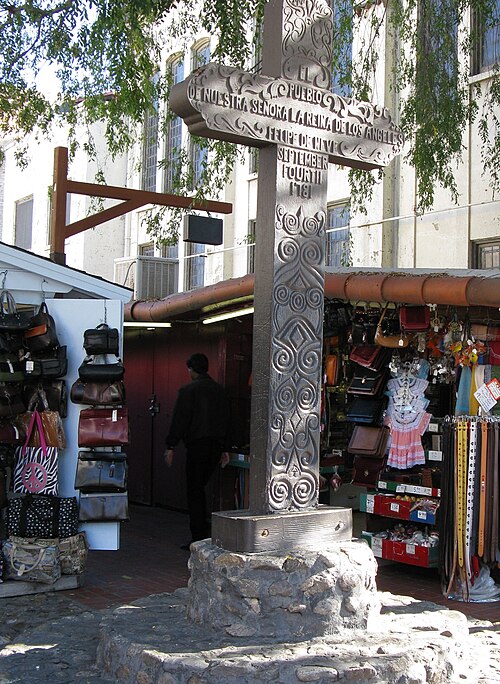
The settlement’s name went through several versions, and, to the relief of many a postal worker, was eventually shortened to Los Angeles. The town was founded by a group of 44 townspeople, or pobladores, at the settlement of Yaanga, the center of the Tongva indigenous peoples’ territory. As recorded in the 1781 census, the 22 original adult pobladores came from eight different castas (castes). The population comprised, in the terminology of that era, 1 Criollo (Spaniard born in New Spain), 9 Indios (indigenous people), 1 Mestizo (mixed Spanish and indigenous), 8 people of mixed Black and Spanish heritage, 2 people of African descent, and 1 Peninsular (Spaniard born in Spain). As the pueblo grew, the population continued to be diverse, with early members of the town council appointed by the governor of the territory coming from the various castas. It is this powder keg of diversity and caste division that provides the historical setting for the legend of Zorro.