The Secrets Behind the State Tour

By Camila Baltazar
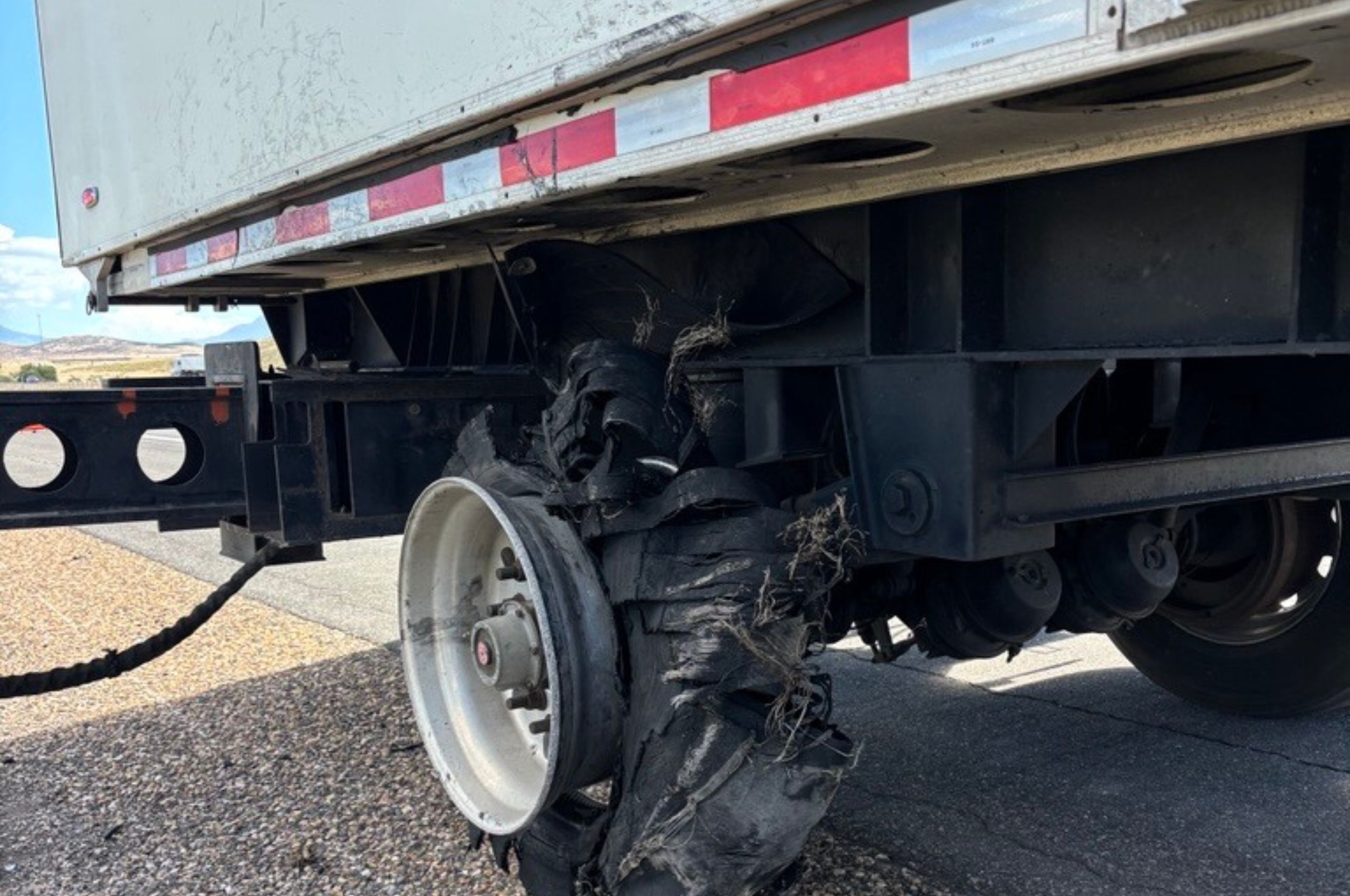
A blown tire. A two-hour delay. Thousands of pounds of equipment still waiting to be assembled. For most people, that sounds like the beginning of a disaster. For the Utah Symphony team traveling on this summer’s Music Elevated State Tour—a seven-stop journey through Wellsville, Springville, Salt Lake City, Midway, Fillmore, Cedar City, and Bryce Canyon—it was simply another challenge to solve before the audience arrived. The blowout happened on the road to Fillmore. By the time audience members found their seats that evening, the stage was standing, the orchestra was ready, and the performance began as planned. Behind the scenes, however, was a story of teamwork, preparation, and a crew determined to make sure the music never stopped.
How it starts
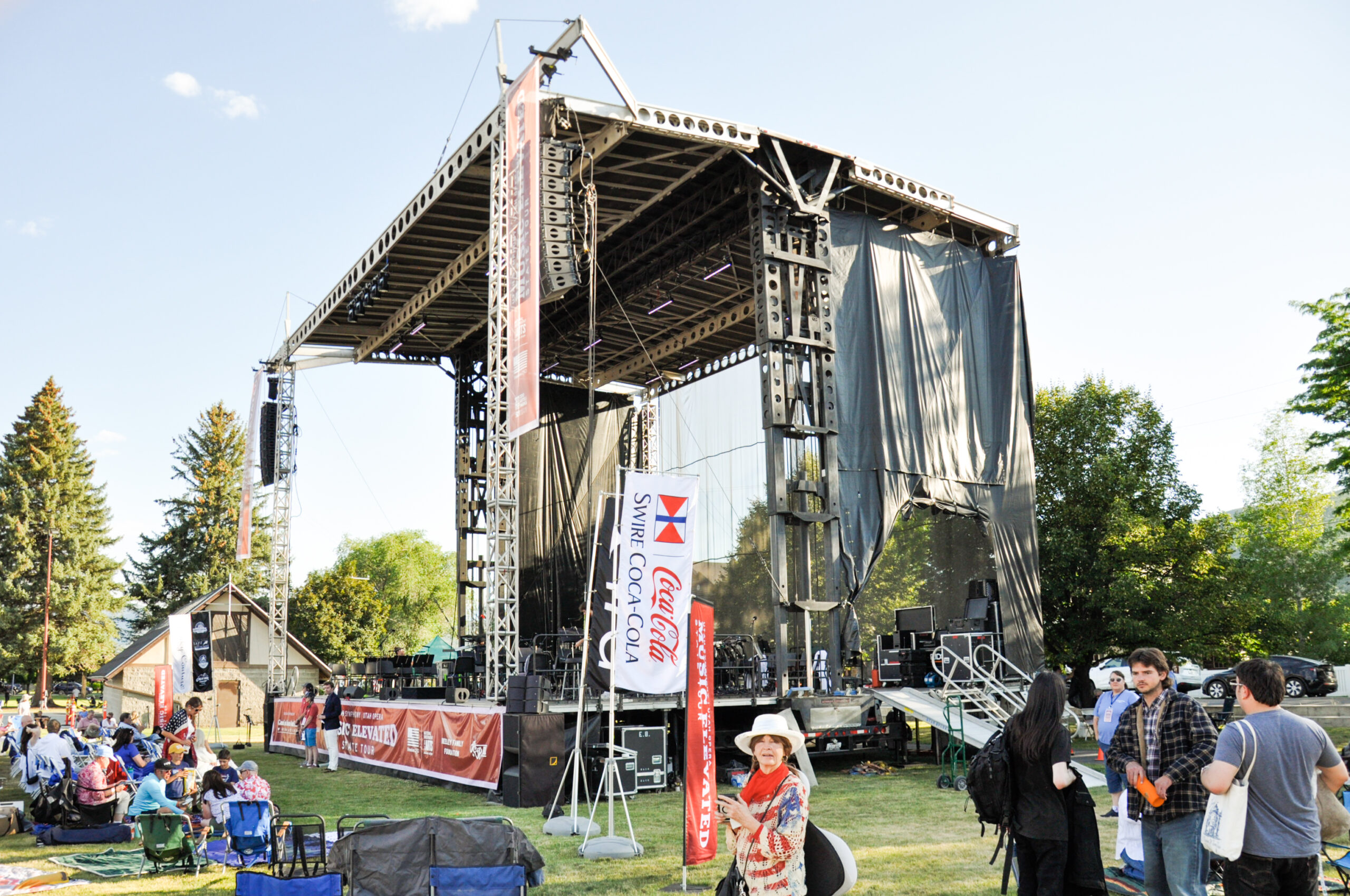
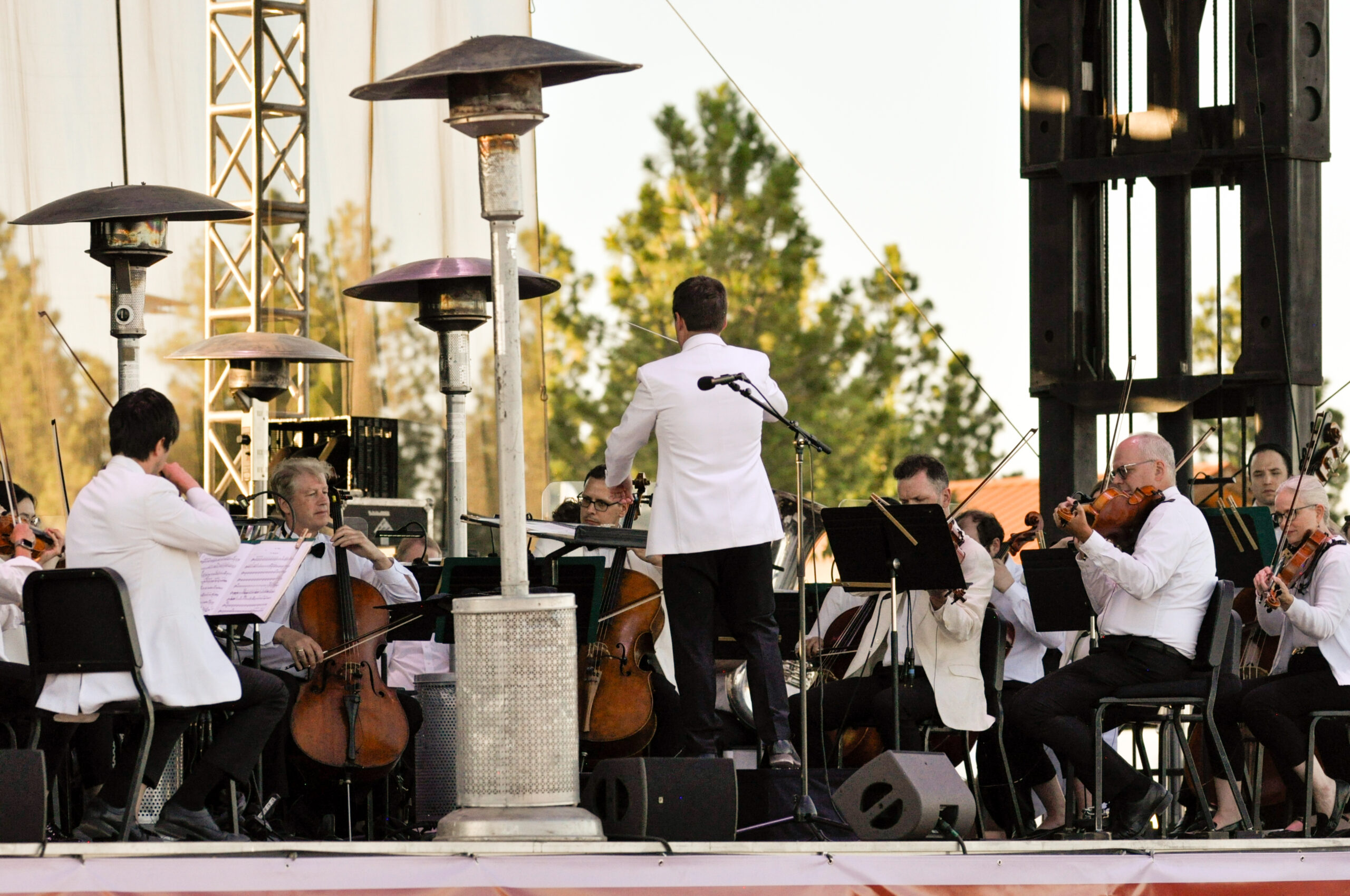
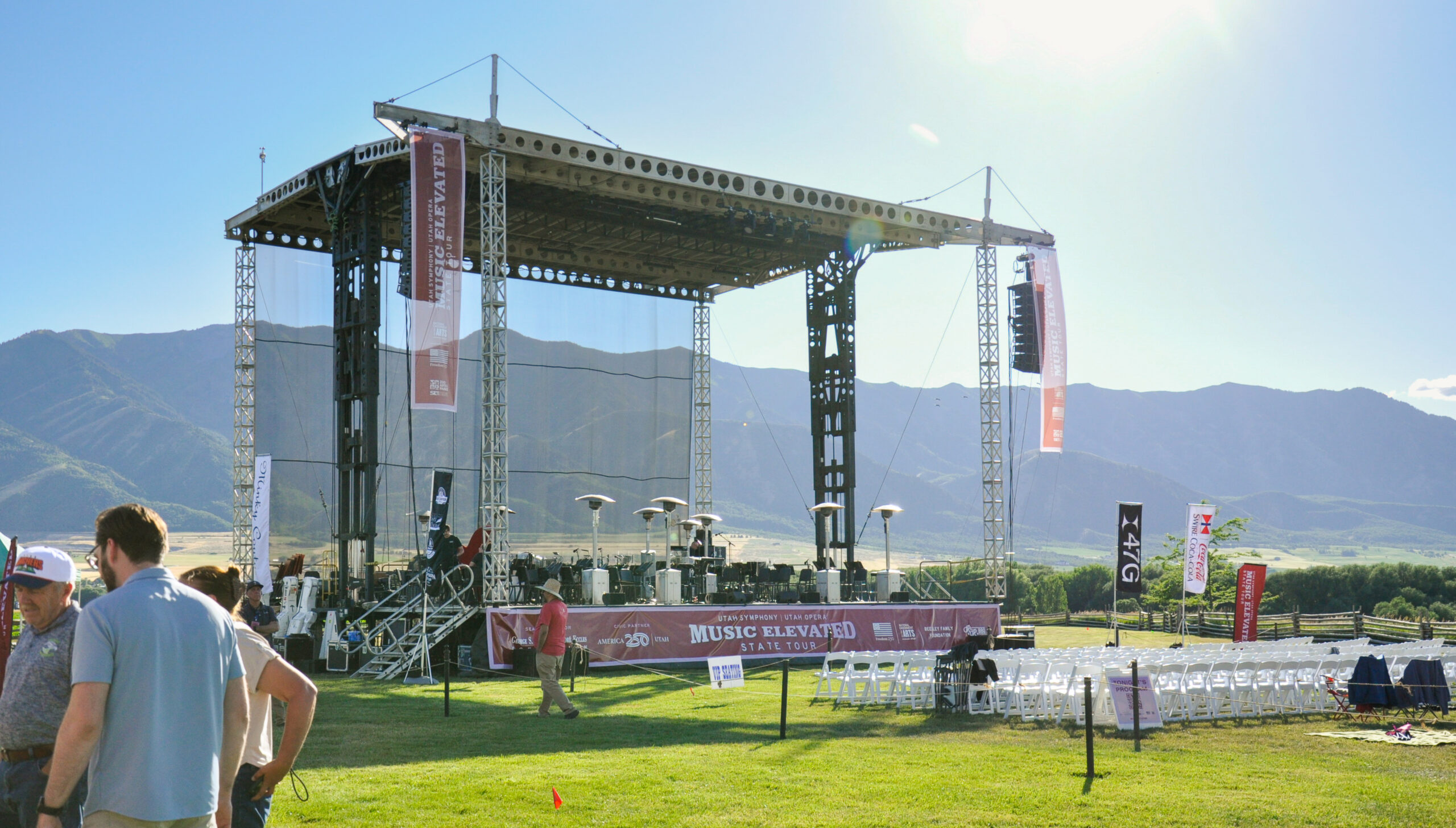
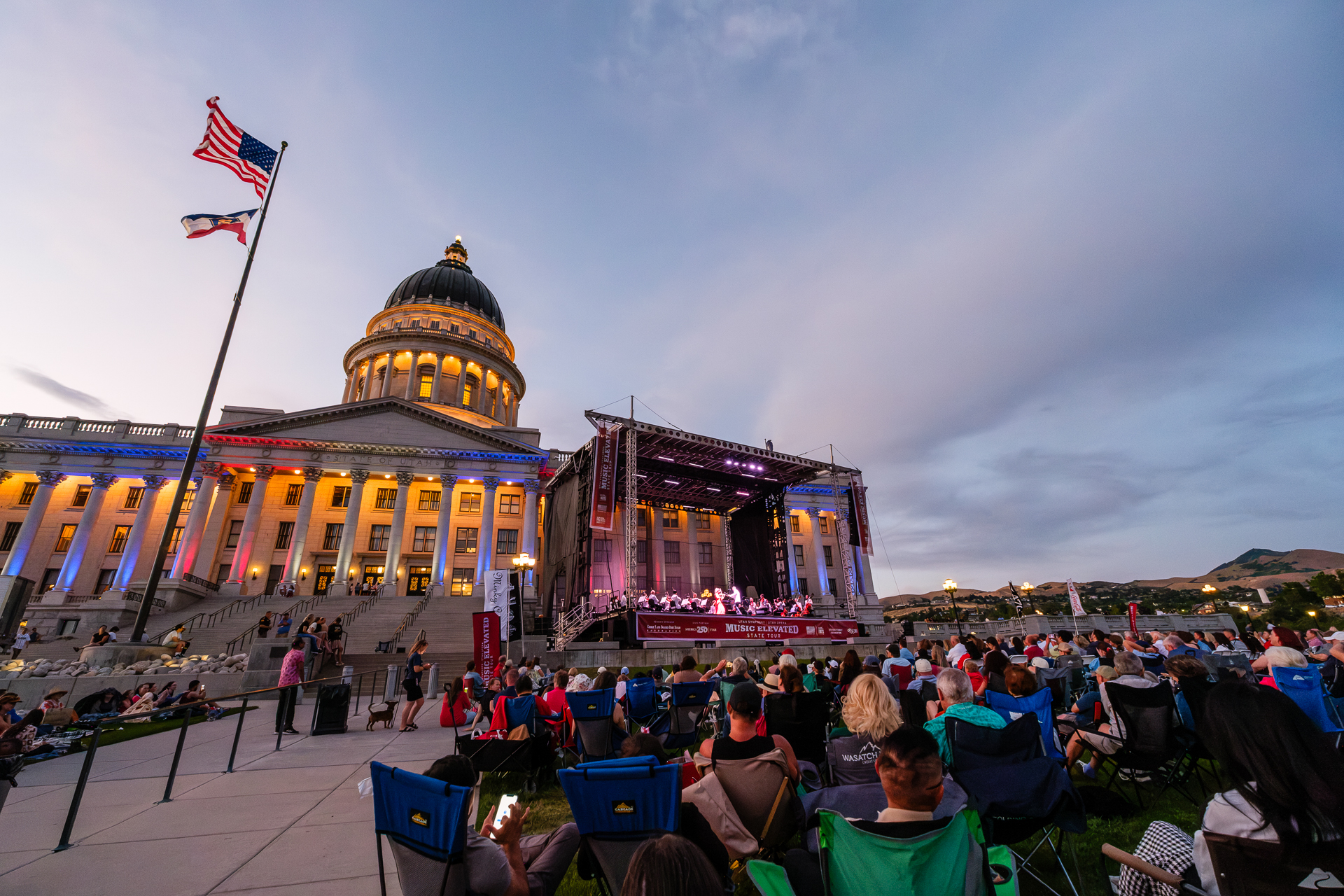
“The venue planning actually begins months in advance,” says Director of Production Chip Dance. Before a single truck rolls into town, the team has already visited each site, met with local officials, and mapped out where the 70-foot stage truck will go. Once everything is in place, the transformation begins. One truck unfolds into the stage itself, while another climate-controlled semi is unloaded with everything the orchestra needs: chairs, music stands, percussion instruments, lighting, audio equipment, the harp, and even the low strings. In total, 17 crew members work together to build a concert venue from the ground up. To someone watching from the outside, it might look like assembling an oversized Lego set. Sarah Madany, who was Utah Symphony Stage Manager until this fall, says it’s a little more complicated than that. “While the Lego analogy does work to some degree,” she says, “I would describe the setup process more like a sliding tile puzzle.” Every piece has to land in exactly the right place while leaving room to move the next one. At the end of the night, she says, “it becomes a game of Tetris” as the crew fits every oddly shaped case back into the truck. Dance has another way of describing it. “The assembly of the stage itself is a sight to behold,” he says. “I would compare that to something straight out of a Transformers movie.”
An engineering marvel
The truck literally transforms into a stage. Side walls become the roof, hidden panels unfold into the floor, and hydraulics raise everything into place. “As far as outdoor stages are concerned,” Chip says, “this stage is an engineering marvel.” Outdoor performances mean preparing for wind, heat, cold, and whatever else Mother Nature decides to bring. The crew travels with wind clips to secure sheet music, chains to keep music stands from tipping over, and heaters for chilly evenings. “No matter how much we prepare,” Dance says, “there will always be moments where things pop up that couldn’t have been predicted.” The tire blowout was one of those moments. Some crew members stopped to help while others continued preparing at the venue. The truck’s stabilizing outriggers helped speed up the tire change, and once everyone arrived, crew members jumped into unfamiliar roles to make up for lost time. Thanks to built-in schedule flexibility, creative teamwork, and a faster pace, the stage was ready before most audience members ever knew there had been a delay. For Madany, reflecting on her second state tour, one of the most memorable parts isn’t the logistics—it’s the people. “My biggest takeaway from the first tour was a greater appreciation for the concerts we put together through seeing the joy that it brought to the communities we visited,” she says. “I really enjoyed seeing the enthusiasm from the patrons.” No matter how much work it might be or how tired they might get, the team says it’s always worth it to see the audience enjoying themselves. When audiences gather for a Music Elevated State Tour concert, they see a stage, an orchestra, and an evening of music. What they don’t see is the team that spent the entire day making sure the only thing anyone remembers is the performance.