UTAH OPERA’S COVID PIVOTS
by Paula Fowler The Governor’s announcement on Thursday March 12 giving Utahns notice to close down all activity came at a terrible time for Utah Opera: that very evening should have been the final dress rehearsal of our delightful production of The Barber of Seville. We had been expecting 1100 secondary school students to attend. Throughout the afternoon, our Ticket Office called ticket holders about the cancellation, and in the early evening, I stood by the front doors of the Janet Quinney Lawson Capitol Theatre, which was suddenly closed until further notice, to break the news to the few groups who hadn’t received word. There wasn’t even time (or safety) in which to make a recording of what we would have shared with Utah audiences over the next two weeks. Waves of shock followed, as we gradually realized that schools would be closed the rest of the year. That meant our Resident Artists wouldn’t be traveling daily to schools, or to Cedar City and Parowan in April for school and community concerts, as we had planned. Soon enough, our May production also had to be cancelled.FIRST COVID PIVOT – Spring 2020 Utah Opera made its first COVID pivot and began featuring aria and artsong recordings by artists from the Barber cast and our Resident Artists on our YouTube channel. These were beautiful performances, but filmed in a simple single-shot manner, with cameras that are generally just used for archival recordings. Arts organizations devoted to live performance are not well equipped with special audio and film equipment, so we did what we could with what we had at the time. Utah Opera Principal Pianist and Coach Carol Anderson quickly turned the idea of her live Prelude presentations into a Facebook Live series to accompany the performances shared nightly by The Metropolitan Opera. All told, USUO released 52 introduction videos mostly created by Carol, with Resident Artist Taylor Burkhardt and Chorus Master Michaella Calzaretta stepping in to help with a few.
- FAQ videos, using questions they often answered in elementary school assembly programs
- “Breathing Like an Opera Singer,” and “Warming Up Your Voice with an Opera Singer” instructional videos
- A 5-part Italian artsong lesson, which voice students could use to learn “Caro mio ben”; materials include PDFs and accompaniment recordings in high and low keys
During the summer months, we collaborated with a few of our established community partners to present actual live singing: three of our Resident Artists from 2019-20 were still in town, and we engaged them for a concert in the Gallivan Center with the Excellence in the Community Concert Series, where they performed live, and the event was streamed over Facebook (it’s still available on the Excellence website). The same artists performed live and in-person from the back of a lowbed trailer in Kamas and Park City one July afternoon, in collaboration with Art Pianos and Summit County Arts.
A highlight of the summer opera offerings for all of us was the month-long availability of our archival recording of The Little Prince. Principal Coach Carol Anderson hosted a pre-viewing online party with many of the prime players in the original project, and families could then enjoy that glorious production online together.
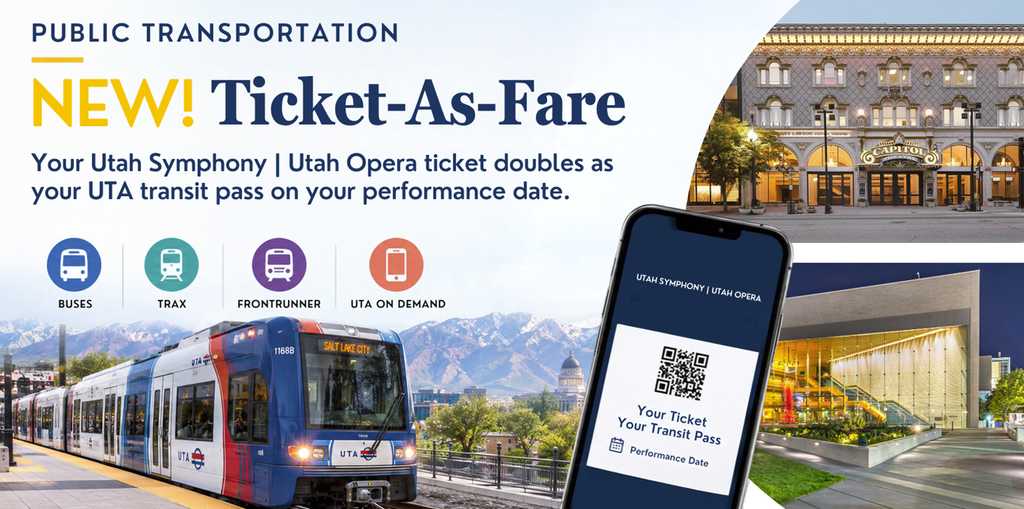
SECOND COVID PIVOT – Fall 2020 The Utah Opera staff committed to the preservation of the company during the summer of 2020. Many staff members took furlough weeks and months, but in the backs of brains, and for those on actual duty at any time, a variety of contingency plans were explored. Artistic Director Christopher McBeth led the charge in coming up with alternate fall programming for the Janet Quinney Lawson Capitol Theatre, with safety in mind. Other safety procedures were added by Salt Lake County Arts: patrons are seated as they arrive, and patron egress is managed by ushers. Additionally, our Ticket Office created the USUO App, so we have contact-free ticketing and program access.
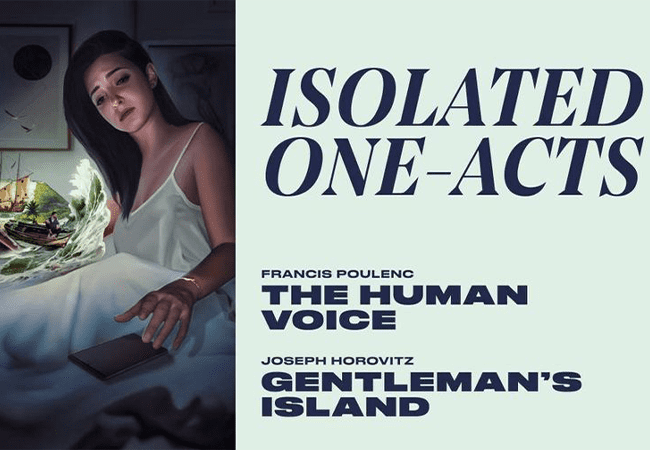
The impossibility of presenting our planned production of Wagner’s The Flying Dutchman (the size of the orchestra, cast, and chorus) offered the company the opportunity to present smaller works connected by a current theme—experiences with isolation—that also allow for performer safety. The cast for each work is just 1 or 2 people. The orchestra called for is smaller, but still can’t be safe in a confining orchestra pit, so the symphony musicians will be on stage behind the singers, separated from them by a scrim on which backdrops will be projected.
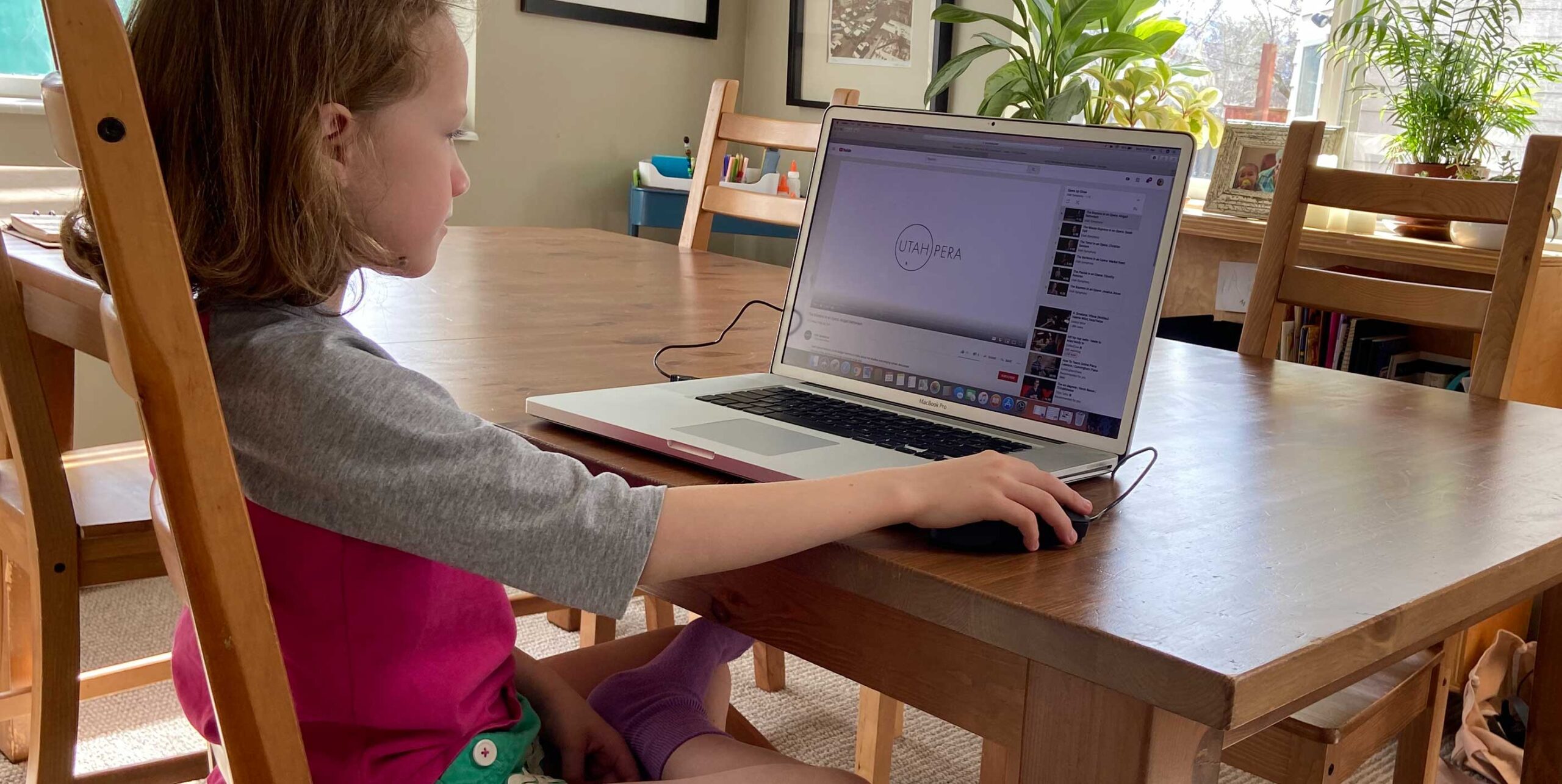
Our Education programs have shifted yet again with programs that will connect our artists with classrooms. With more time to prepare, and more knowledge now about quality of recording, we have re-created our assemblies and in-person programs for digital presentation. We hired professional videographers and designed these new programs for sharing via classroom screens. Our new resources are collected under the title “Connecting to Classrooms” on the Utah Opera website.