
KODÁLY – Dances of Galánta
by Michael Clive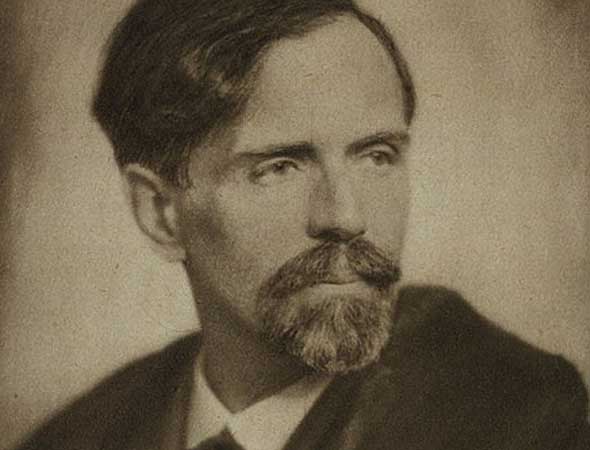
Zoltán Kodály
- Lento
- Allegretto moderato
- Allegro con moto, grazioso
- Allegro
- Allegro vivace
Kodály’s Dances of Galánta exemplifies the link between ethnic musical sources and formal classical composition—and shows why it matters so much in today’s world. The exotic, copper-hued modes of this dance suite seem to echo with the sounds of the Romani people’s wanderings of many generations throughout the Indo-European region, yet they also sound decidedly Hungarian. They embody a distinct cultural heritage with ethnic sources that range from the Middle East to Western Europe; at the same time, they reflect a universal human desire to reach out and understand our neighbors through music.
Kodály composed Dances of Galánta in 1933 on commission for the Budapest Philharmonic Society, which was marking its 80th anniversary that year, drawing upon folk melodies he remembered from his youth. In a deeply personal preface to a published edition of the score, he noted that “The author spent the most beautiful seven years of his childhood in Galánta. The town band, led by the fiddler Mihók, was famous. But it must have been even more famous a hundred years earlier. Several volumes of Hungarian dances were published in Vienna around the year 1800. One of them lists its source this way: ‘from several Gypsies in Galánta.’… May this modest composition serve to continue the old tradition.” In working with these published melodies, Kodály was able to deepen academic scholarship with fond recollection, combining authenticity with modernity.
The Dances of Galánta unfolds in five sections. In its length and breadth (typically a quarter of an hour in performance), the suite could be compared to a brief symphony of the Classical era. In capturing and transmuting ethnographic musical sources, “dances” such as these are not always for dancing; instead, we can listen as we would to the dances of a concerto grosso that come together in a well- paced suite of movements.