
The Amazon – The World of Florencia
by Carol Anderson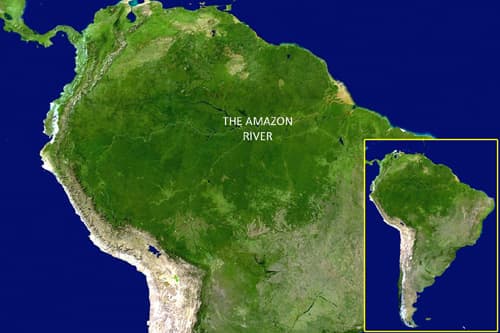
Map of the Amazon
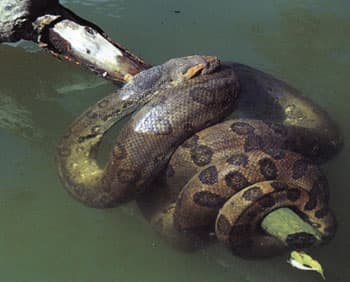
Anaconda
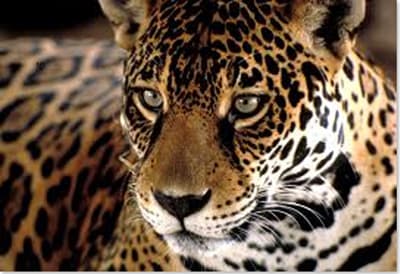
Jaguar
Birds
September 6, 1850, marked the beginning of the steamboat era on the Amazon, with the enacting by Emperor Pedro II of a law permitting steamboat navigation. In 1852, the Companhia de Navegação e Comércio do Amazonas was organized, followed by other companies and private individuals who saw the potential for economic growth in this area. The (first) Rubber Boom of 1879-1912 established the cities of Belém (near the coast) and Porto Velho and Manaós (now Manaus), both located upriver on different Amazon tributaries, as important centers of trade and population growth. Manaus and Belém in particular enjoyed infrastructural advantages and cultural institutions lacking in other Brazilian cities, including sophisticated architecture, electricity, waste disposal and running water. These cities diminished in importance as other sources of rubber became more readily available, until a secondary boom during the Second World War. Today Manaus is a thriving city, the capital of the Brazilian state of Amazonas. Its place as the largest inland port on the Amazon secured its importance as a trade and tourist destination. It is a center for timber and harvesting of Brazil-nuts, a center of manufacturing, and a gateway for ecotourism. One can retrace the journey of Florencia’s riverboat, the El Dorado, via luxury cruise ship these days, and even a few old steamboats have been restored to some sense of their former glory.
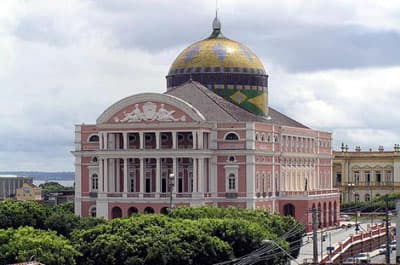
Manaus Opera House