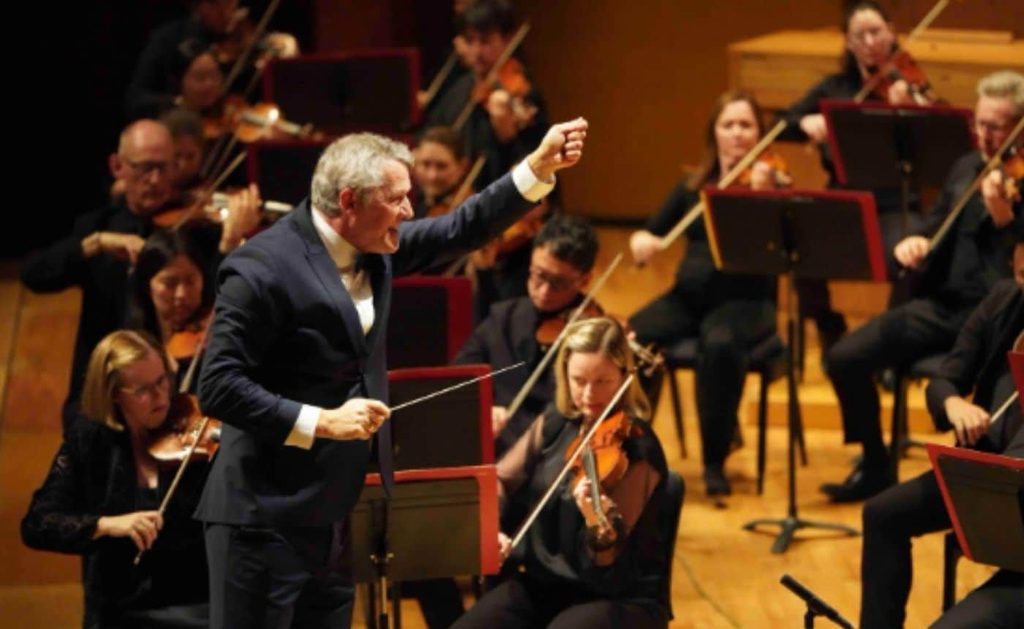

Go beyond the familiar.
You know Beethoven’s Fifth. You know Rachmaninoff’s Piano Concertos. But some of the most rewarding discoveries in classical music are the works you haven’t heard yet.
This season, explore lesser-known gems, musicians’ favorites, fascinating masterpieces, and programs built around ideas that give you a new way into the music. Follow a thread of faith and renewal. Step into an English landscape. Hear a mountain come alive. Experience what happens when an orchestra and chorus fill an entire hall.
These are programs for curious listeners—and opportunities to discover the piece you didn’t know would become a favorite.
Come curious. Listen closer. Discover more.
Mendelssohn’s “Reformation” Symphony
December 4 & 5, 2026 | Abravanel Hall
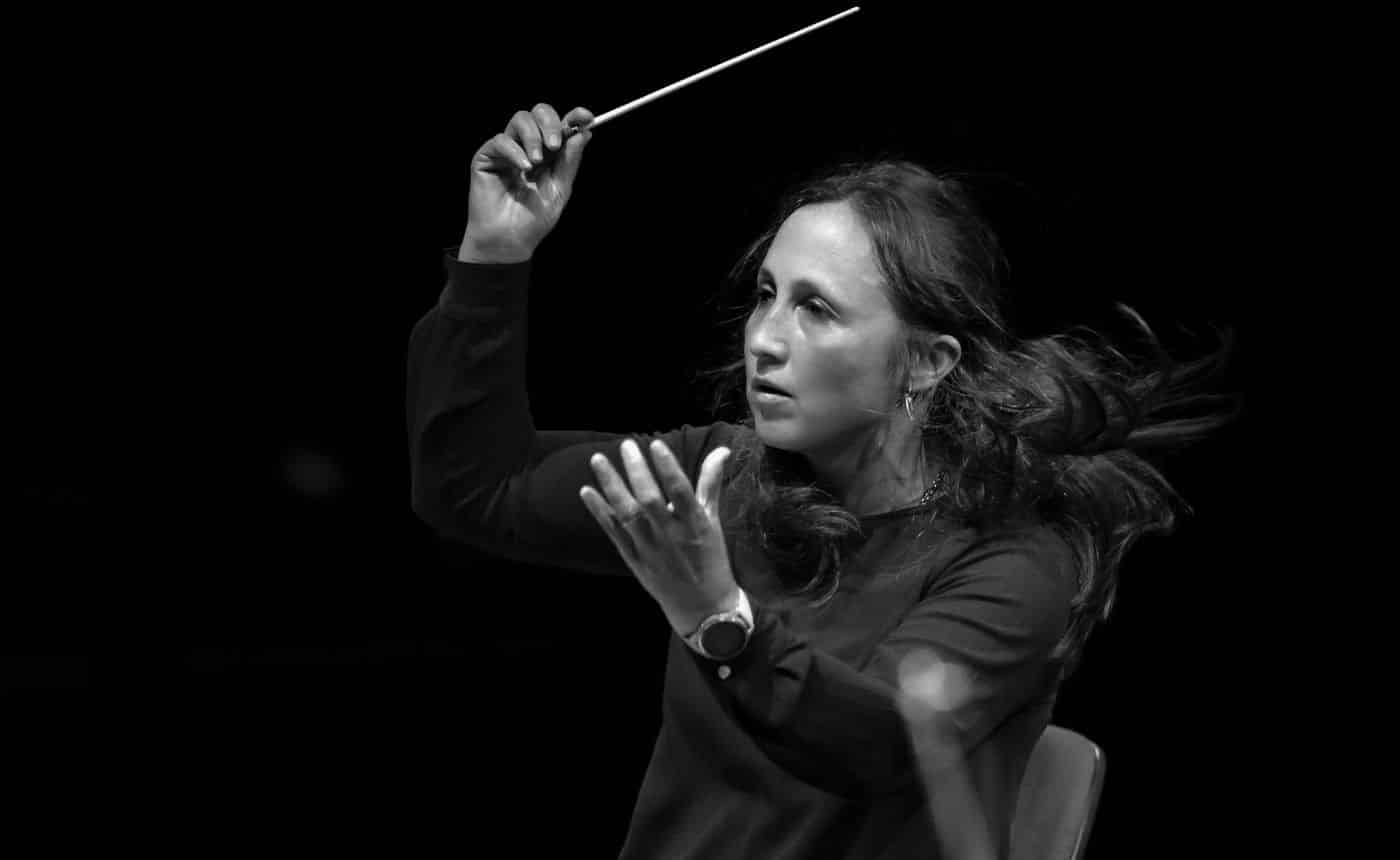
What does renewal sound like?
Written when Mendelssohn was just 20, the “Reformation” Symphony looks to centuries of musical and spiritual tradition while reaching toward something new.
Listen for the chorales and sacred influences woven into the music, and hear how Mendelssohn transforms tradition into something distinctly his own. It’s a program about faith, history, transformation, and the enduring power of music to give old ideas new life.
Listen for: the moment tradition becomes something new.
English Masterpieces: Britten & Elgar
February 26 & 27, 2027 | Abravanel Hall

What would Sense and Sensibility sound like?
Think sweeping English landscapes, candlelit rooms, restrained emotions, and feelings that run much deeper than they first appear.
Britten and Elgar create an unmistakably English musical world—pastoral, intimate, playful, and deeply expressive. Hear the youthful spark of Britten’s Simple Symphony, the intensity of his Violin Concerto, and the sweeping emotional landscape of Elgar’s First Symphony.
Listen for: the feelings beneath the surface.
Markus Poschner Conducts Brahms’ Requiem
March 26 & 27, 2027 | Abravanel Hall
What happens when music calls us together?
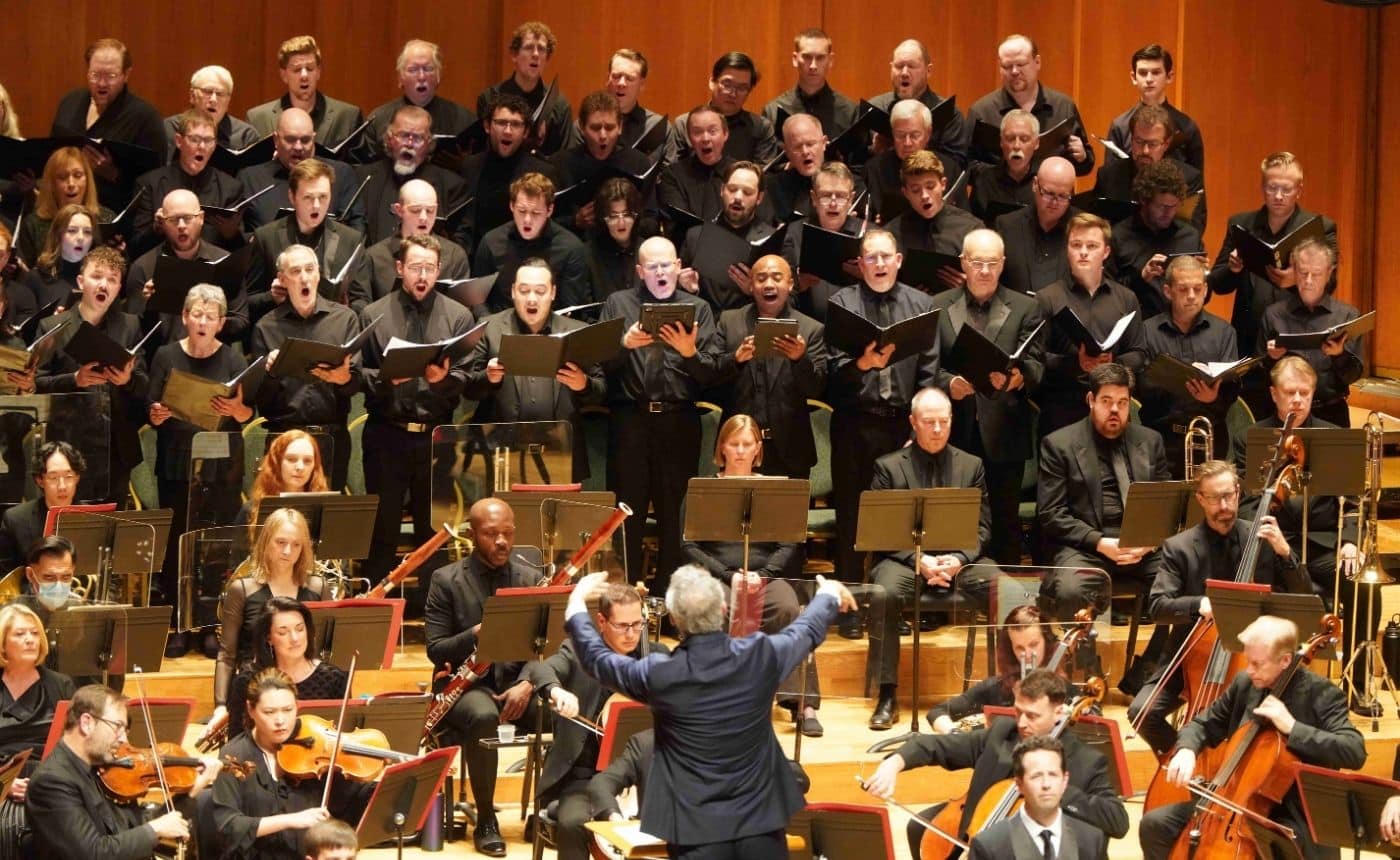
A single trumpet calls from somewhere beyond the stage. Another trumpet takes up the call. Then voices enter, an orchestra gathers around them, and the sound begins to fill the entire hall.
Ives, Nico Muhly, and Brahms explore different kinds of calling—from mystery and ancient ritual to grief, comfort, and hope. At the center is Brahms’ A German Requiem, a monumental choral work that turns deeply human emotions into something shared.
Listen for: the journey from one distant voice to an entire hall filled with sound.
Markus Poschner Conducts Strauss’ Alpine Symphony
May 28 & 29 | Abravanel Hall
What does a mountain sound like?
Strauss gives the orchestra an extraordinary challenge: become the mountain.
Alpine Symphony follows a full day in the Alps, from darkness and sunrise to the summit, a thunderstorm, sunset, and night. Along the way, you’ll hear birds, rushing water, cowbells, wind, and thunder—all created by an orchestra of enormous proportions.
Paired with Four Last Songs, Strauss’s luminous reflection on mortality, the program takes on another dimension. Both works contemplate endings, but find beauty in the fullness of the journey.
Listen for: the moment the orchestra stops sounding like an orchestra and starts sounding like the world around you.
And there’s something especially fitting about hearing a mountain symphony here: in a mountain city.